Prevalence and Management of Child Sexual Abuse in Public Schools in Lapai Town, Niger State. A Gender Based Study
Keywords:
Child Sexual Abuse, Gender Based Study, Prevalence, Public SchoolAbstract
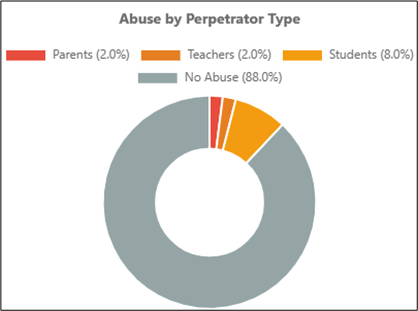
This gender-based study investigated the prevalence, knowledge, and institutional management of child sexual abuse (CSA) cases among students in public secondary schools in Lapai Town, Niger State, Nigeria. Using a cross-sectional descriptive survey design, data were collected from 97 students (JSS 1–SSS 3) using a structured questionnaire across ten randomly selected schools between January and December 2024. Findings revealed that 10.31% of students experienced some form of CSA, with peer and teacher-perpetrated abuse each accounting for 4.12%. Gender disparities were evident: males reported higher peer abuse (8.0% vs. 0.0%), while females experienced more teacher abuse (6.4% vs. 2.0%). Although institutional reporting mechanisms were widely perceived as available, 97.9% acknowledged guidance offices and 91.8% cited confidential reporting. Actual help-seeking remained low due to barriers like teacher threats (17.5%), community tradition (15.5%), and shame (13.4%), all disproportionately affecting females. Consequently, 4.1% of the students, mostly girls, dropped out due to harassment. While students demonstrated high awareness of overt abuse (e.g., genital mutilation: 88.7%), recognition of subtle grooming behaviours (e.g., “Teacher says I love you”: 52.6%) was critically low, especially among males. The study concludes that despite structural readiness, systemic vulnerabilities persist due to socio cultural silencing and inadequate education on covert abuse tactics. The study recommends gender-sensitive CSA curricula, mandatory teacher training, strengthened child protection protocols, and community engagement to bridge the gap between policy and practice, ensuring safer school environments for all children.
Published
How to Cite
Issue
Section
Copyright (c) 2025 Habiba Maikudi Muhammed, Juliana Hussaina Dauda, Aliyu Ibeto Ismaila, Abubakar Sule Balaraba (Author)

This work is licensed under a Creative Commons Attribution-NonCommercial 4.0 International License.
- Attribution — You must give appropriate credit, provide a link to the license, and indicate if changes were made. You may do so in any reasonable manner, but not in any way that suggests the licensor endorses you or your use.
- Non-Commercial — You may not use the material for commercial purposes.
- No additional restrictions — You may not apply legal terms or technological measures that legally restrict others from doing anything the license permits.